Greek mythology is not one single book. It is a web of poems, hymns, local cult stories, tragedies, and later summaries that grew over centuries. That is why the same figure can look slightly different from one source to another. Even so, the major stories keep the same recognizable shape: the cosmos begins in disorder, younger gods overthrow older ones, heroes win fame by entering danger, and the line between blessing and ruin is always thin.
The most useful way to read Greek myth is not as a list of names, but as a sequence of stories that gradually widen the world. First come the creation myths and the struggle for divine rule. Then come the stories that explain why human life is hard, seasonal, and mortal. After that the great heroes appear: monster-slayers, voyagers, inventors, kings, and wanderers, each meeting a world already crowded with gods and old curses.
Start With These Classic Greek Stories
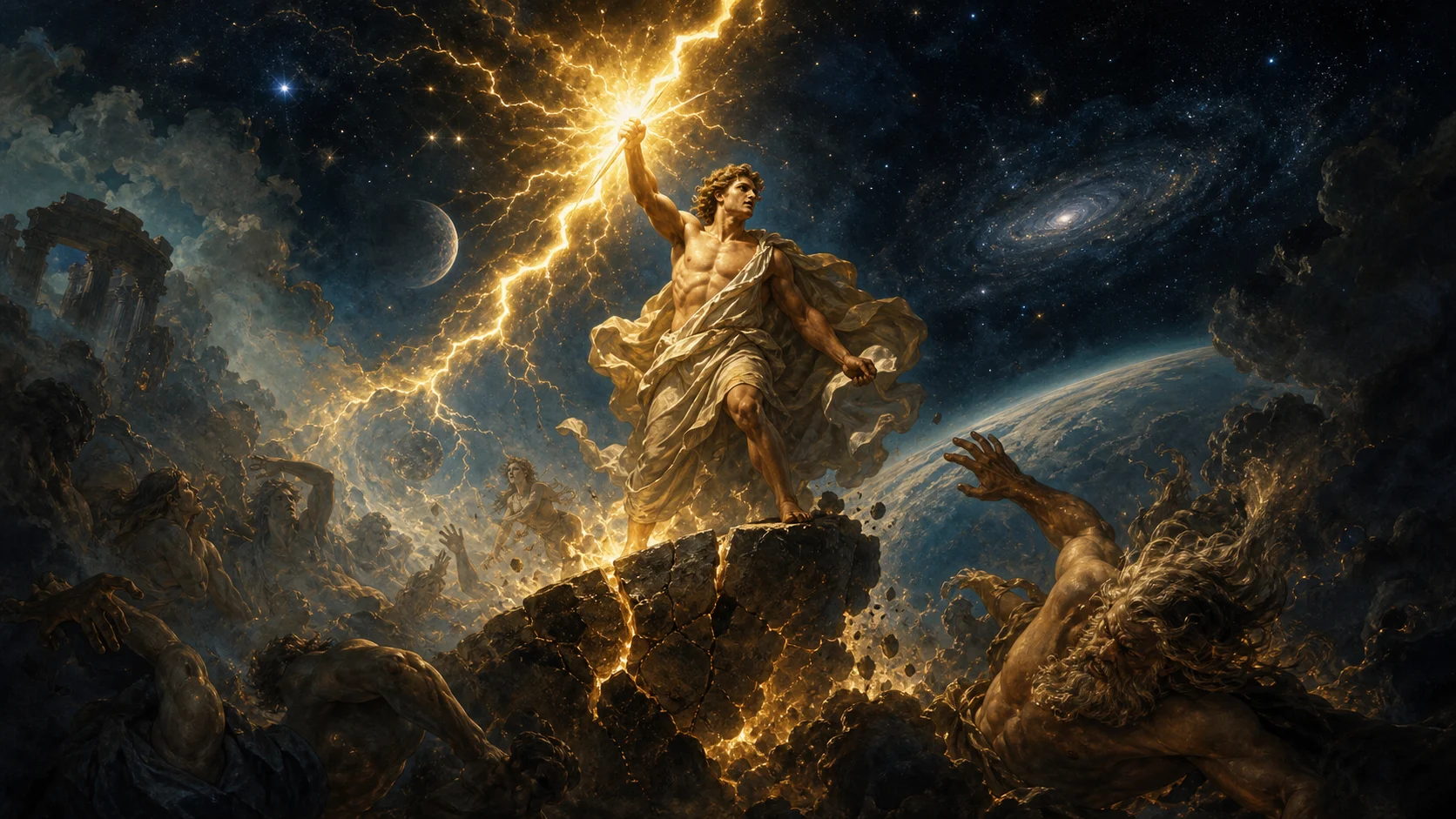
- The Creation of the World and the Rise of Zeus: From Chaos and Gaia to Kronos swallowing his children and Zeus winning the war for the cosmos.
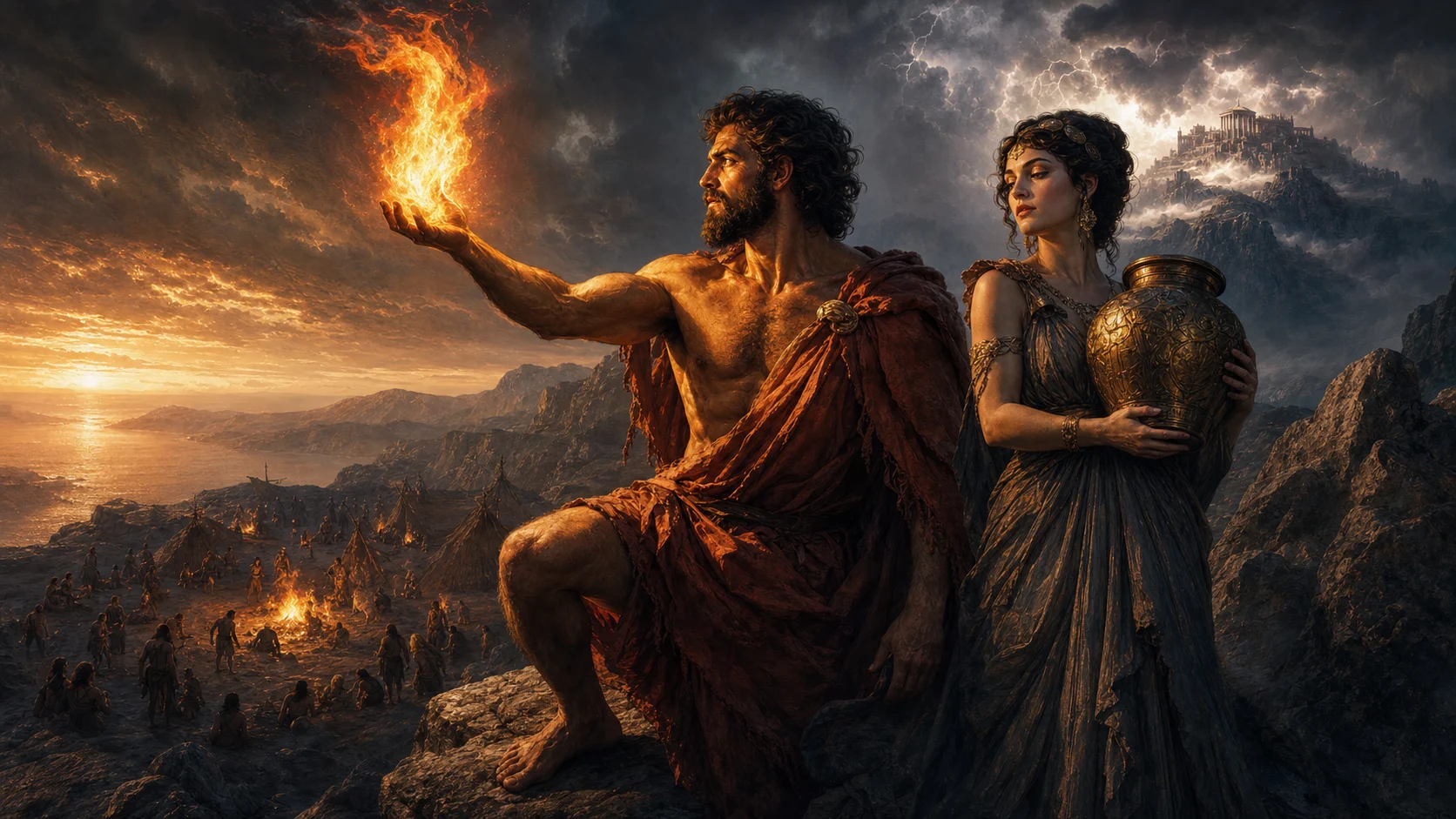
- Prometheus and Pandora: Fire, punishment, the first woman, and the question of why suffering entered human life.
- Demeter and Persephone: The loss of a daughter becomes the mythic explanation for the seasons, grain, and the mysteries of death.
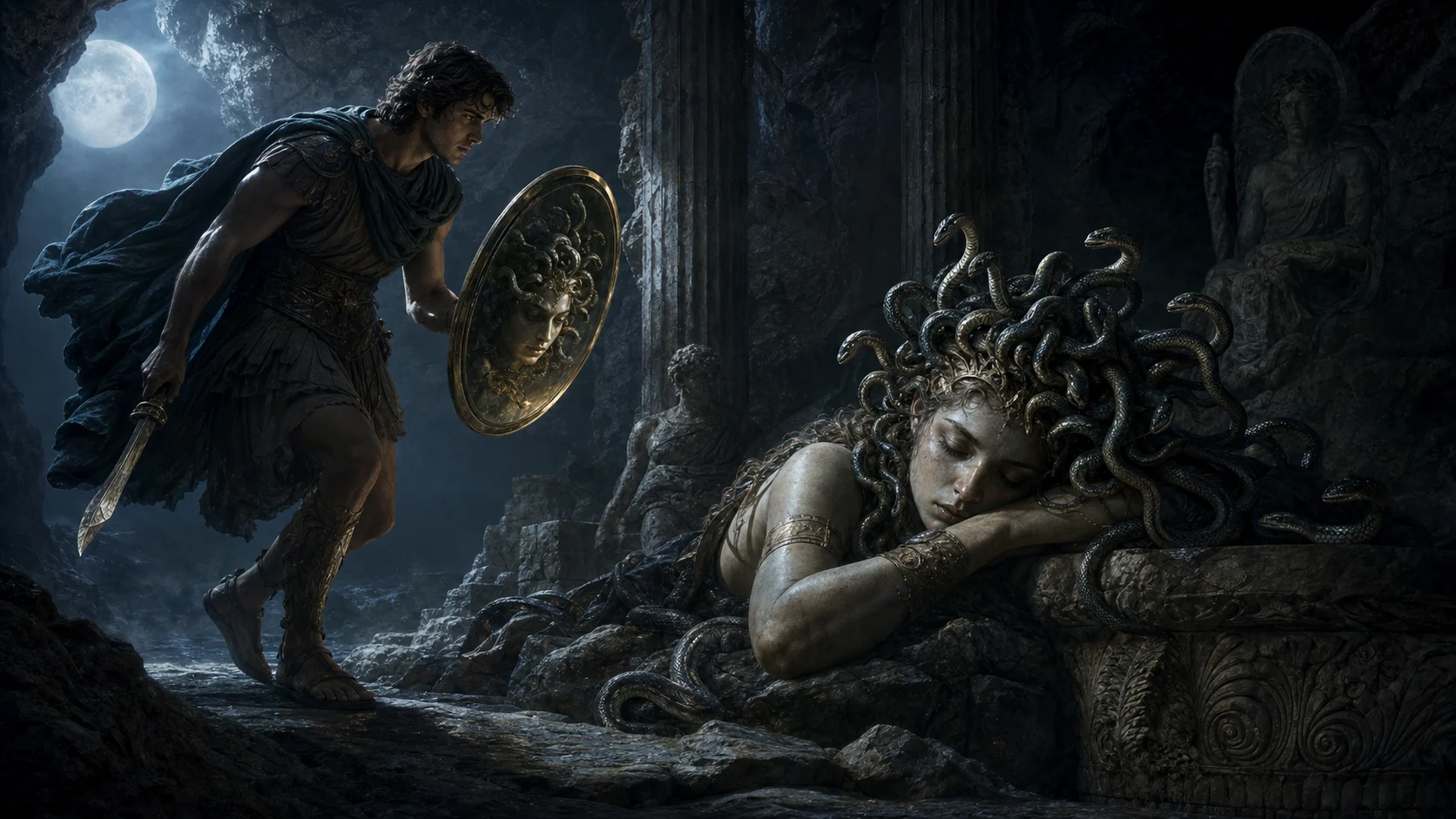
- Medusa and Perseus: A nearly impossible quest, divine weapons, and one of mythology’s most famous severed heads.
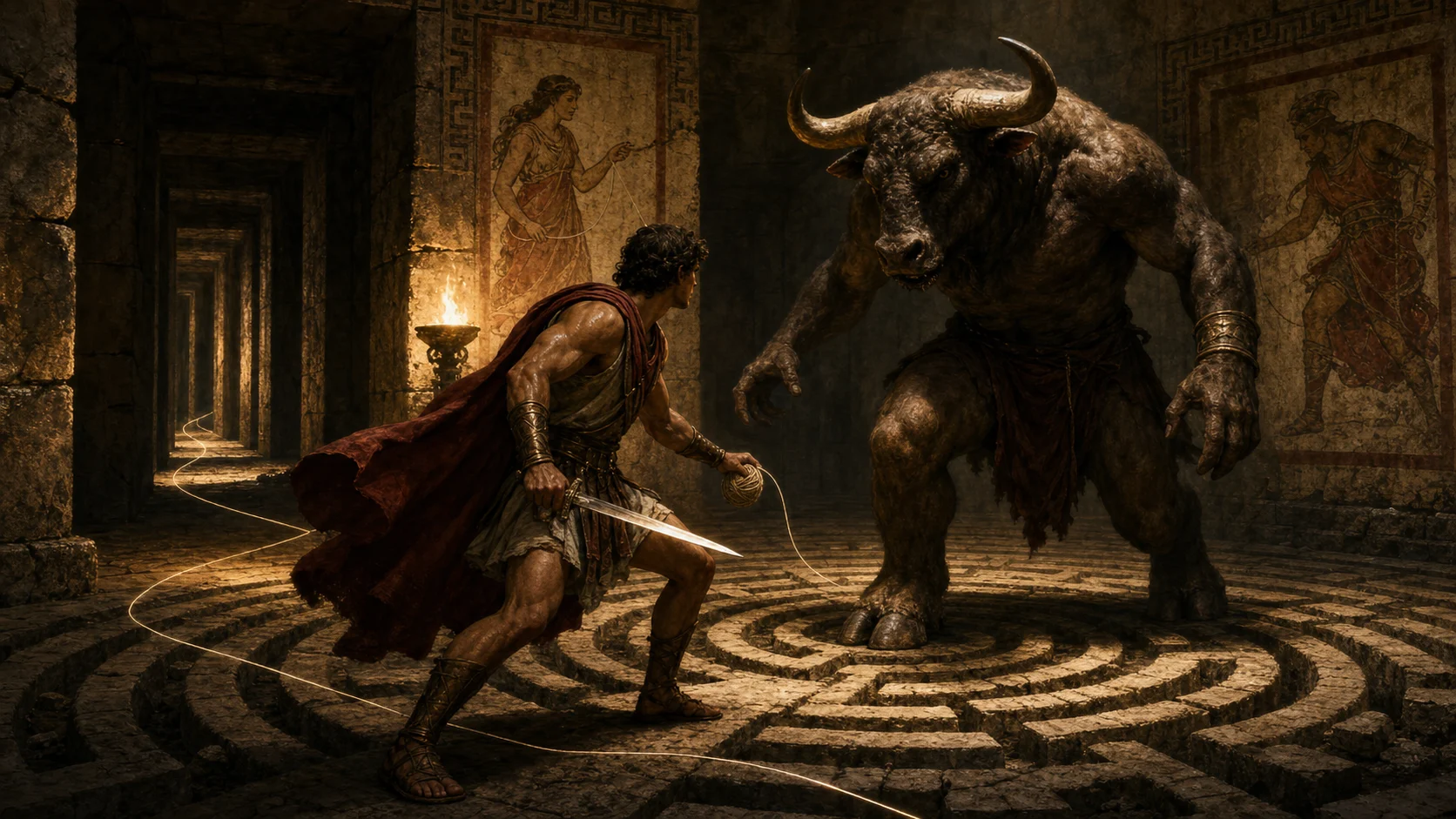
- Theseus and the Minotaur: Athens sends tribute to Crete until one prince enters the labyrinth to stop it.
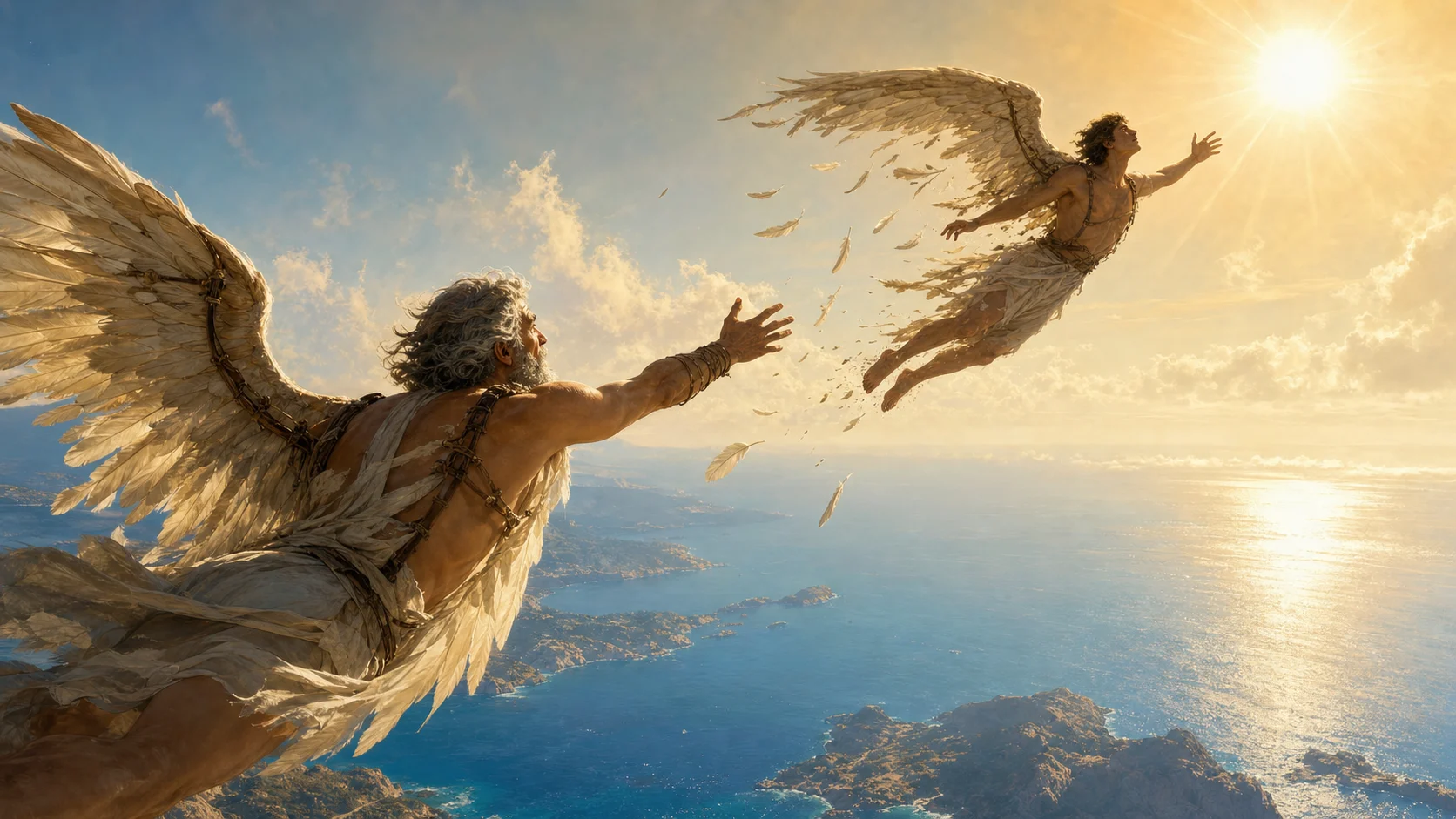
- Icarus and Daedalus: A master craftsman escapes by air, but his son’s joy in flight becomes fatal.
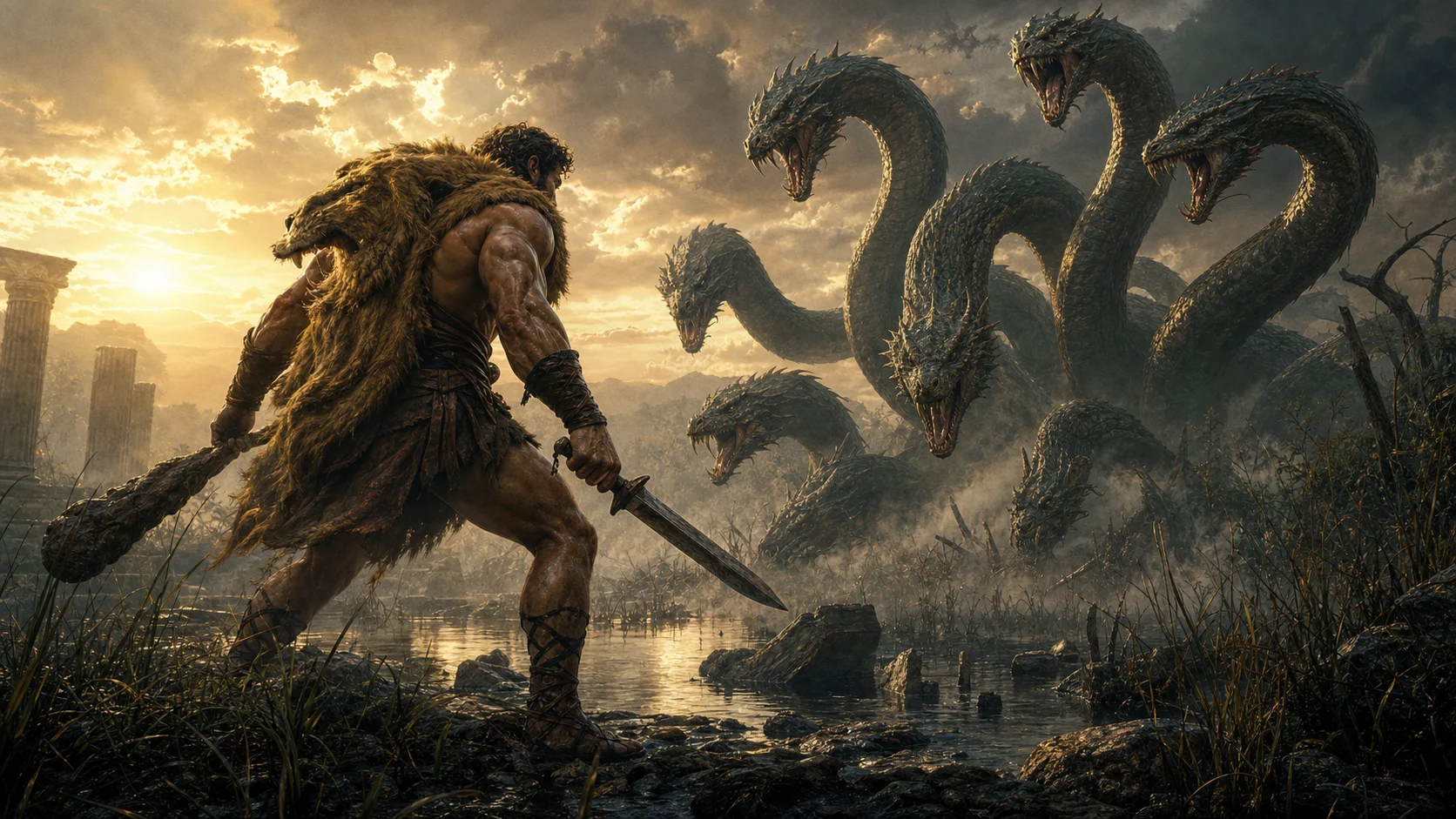
- Heracles and the Twelve Labors: The strongest of heroes spends his greatness in service, endurance, and impossible tasks.
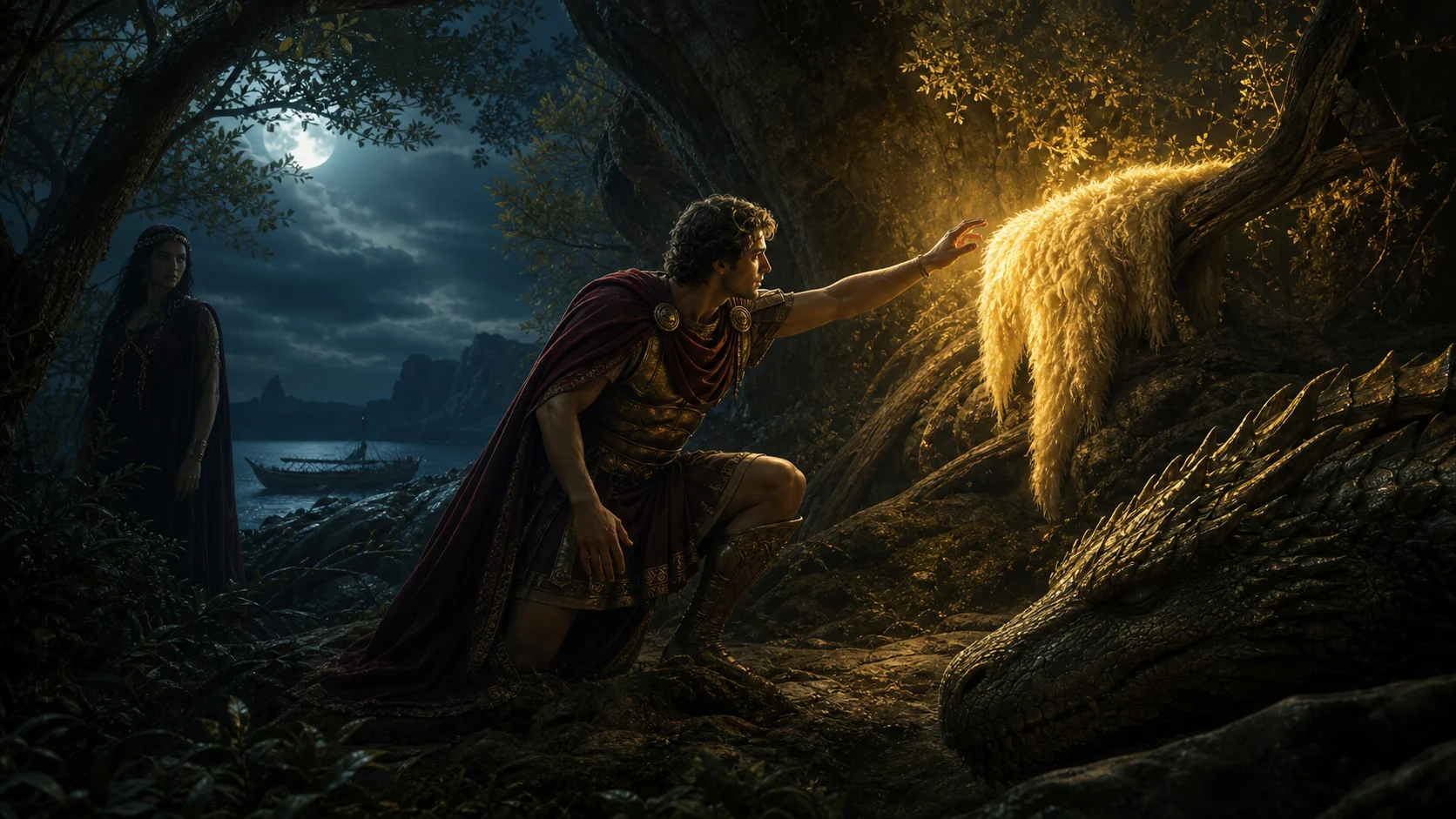
- Jason and the Golden Fleece: A voyage to the edge of the known world, impossible trials, and Medea’s decisive help.
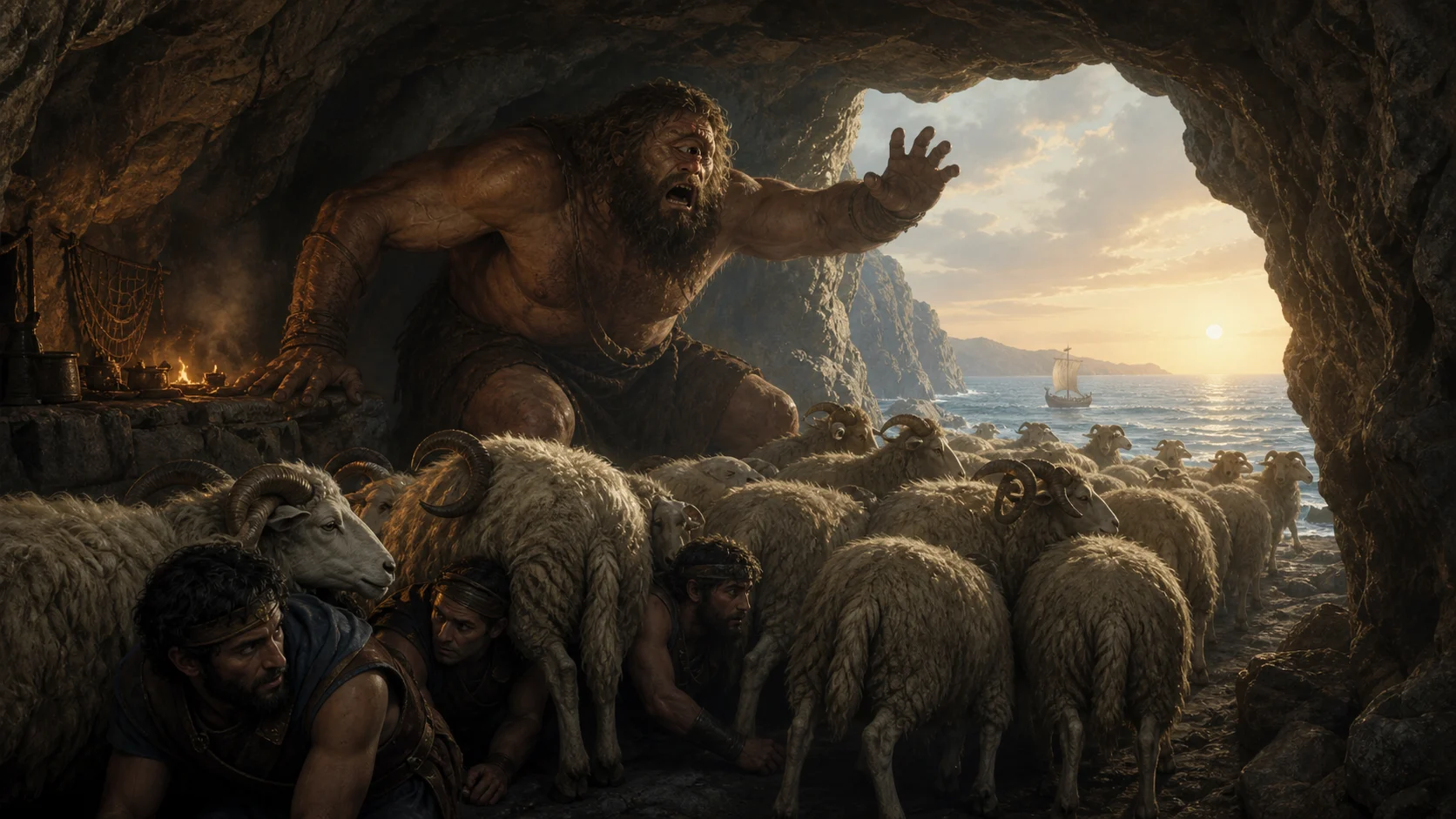
- Odysseus and the Cyclops: Intelligence defeats brute force, but pride turns escape into a longer exile.
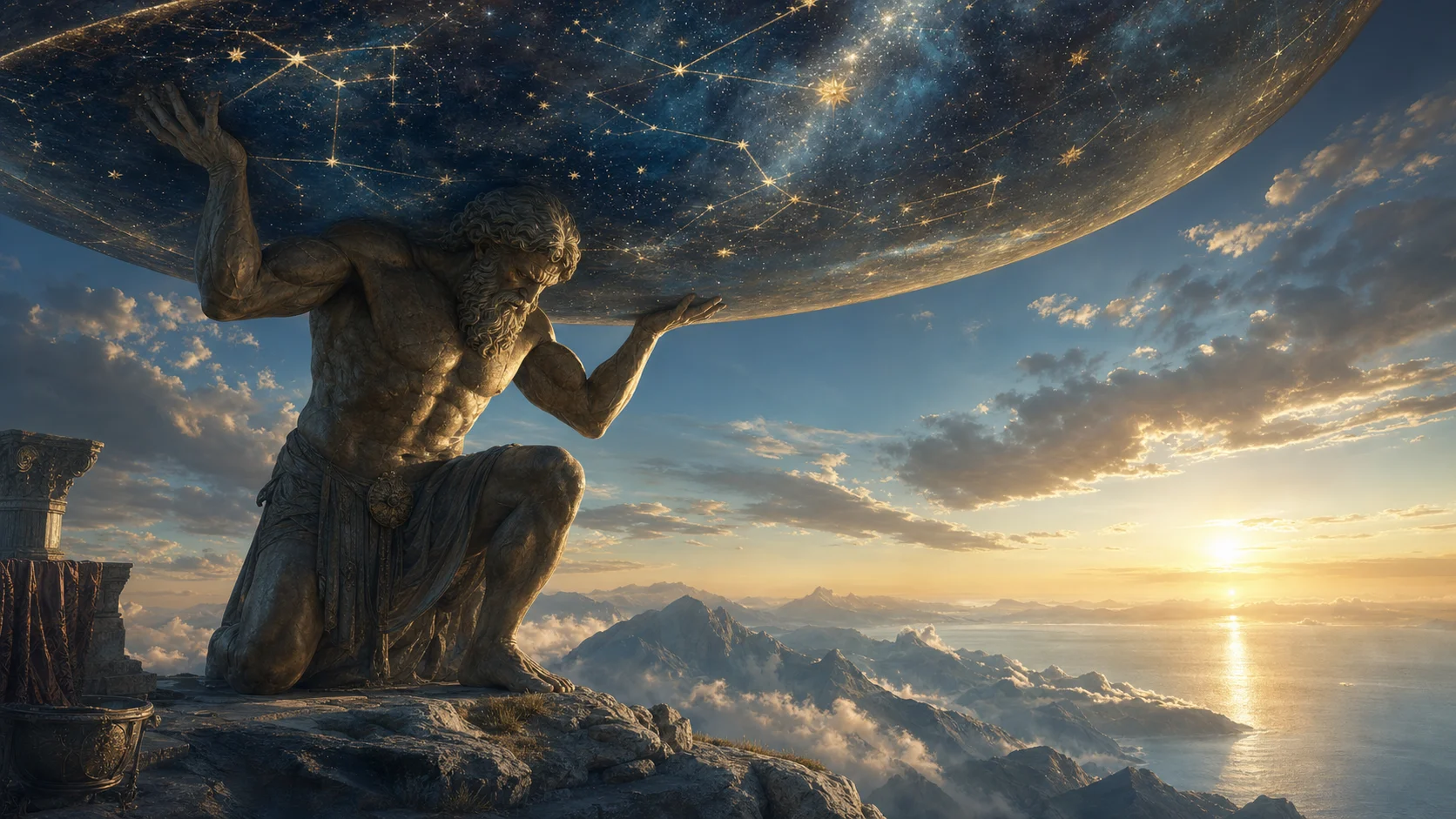
- The Story of Atlas in Greek Mythology: The Titan of endurance shows how Greek myth turns punishment into an unforgettable image.
What Makes Greek Myths Last
Greek myths endure because they are never only about one thing. A monster can also be a boundary marker. A god’s marriage can explain the harvest. A hero’s success can reveal his flaw. The stories are dramatic, but they are also explanatory: they tell listeners why winter comes, why kingship is unstable, why cleverness matters, why guests must be treated well, and why no mortal should assume that power removes consequence.
Most of the retellings in this section follow the classical backbone familiar from Hesiod, Homer, the Homeric Hymns, Apollodorus, Apollonius of Rhodes, and later ancient summaries collected and indexed by Theoi. Where famous later variations changed how modern readers picture a myth, the story pages point that out directly instead of quietly blending everything together.